Table of Contents
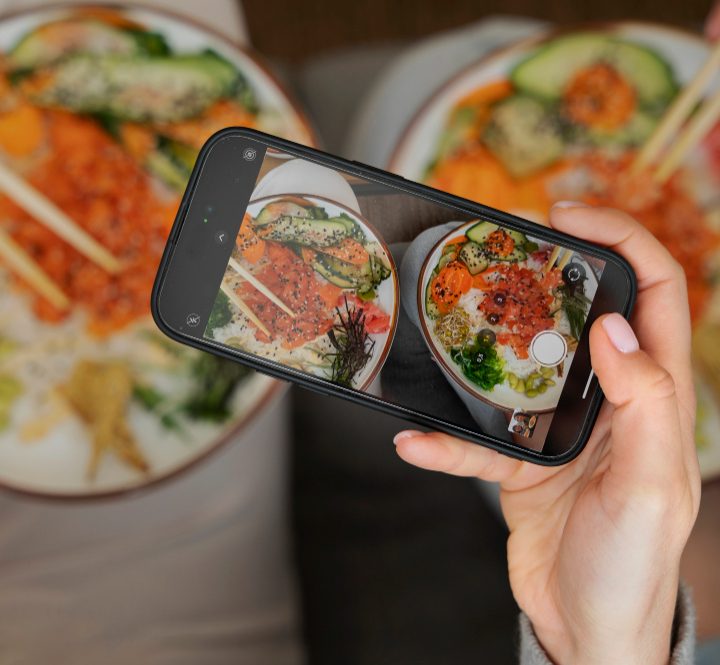
Food photography brings your recipes to life and makes them irresistible to your viewers. In this post, we’ll focus on the photography techniques of five major food categories: meat, Cake, Breakfast, Desserts, and Drinks. We’re aiming to guide our beautiful Gems in capturing stunning photos of these dishes for their food blogs or galleries.
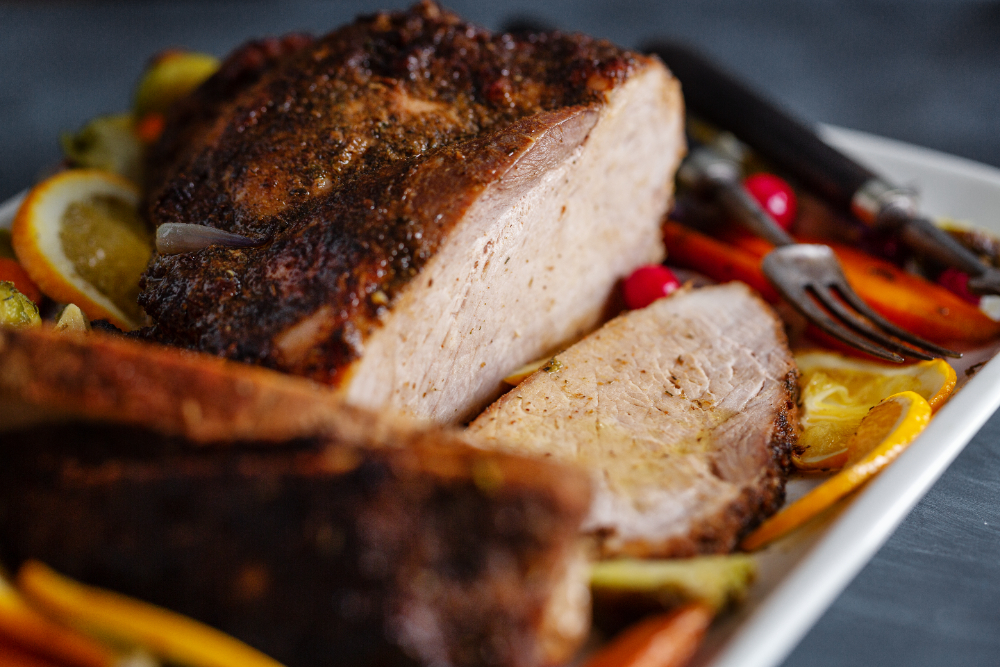
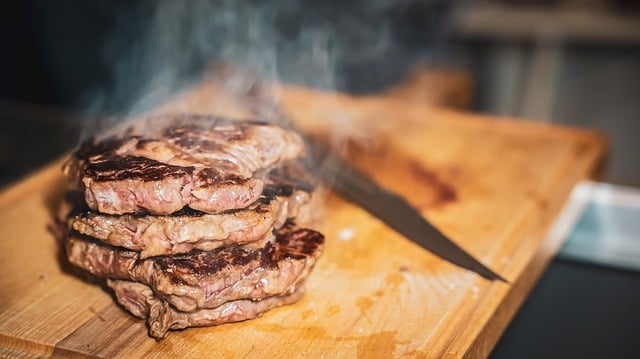
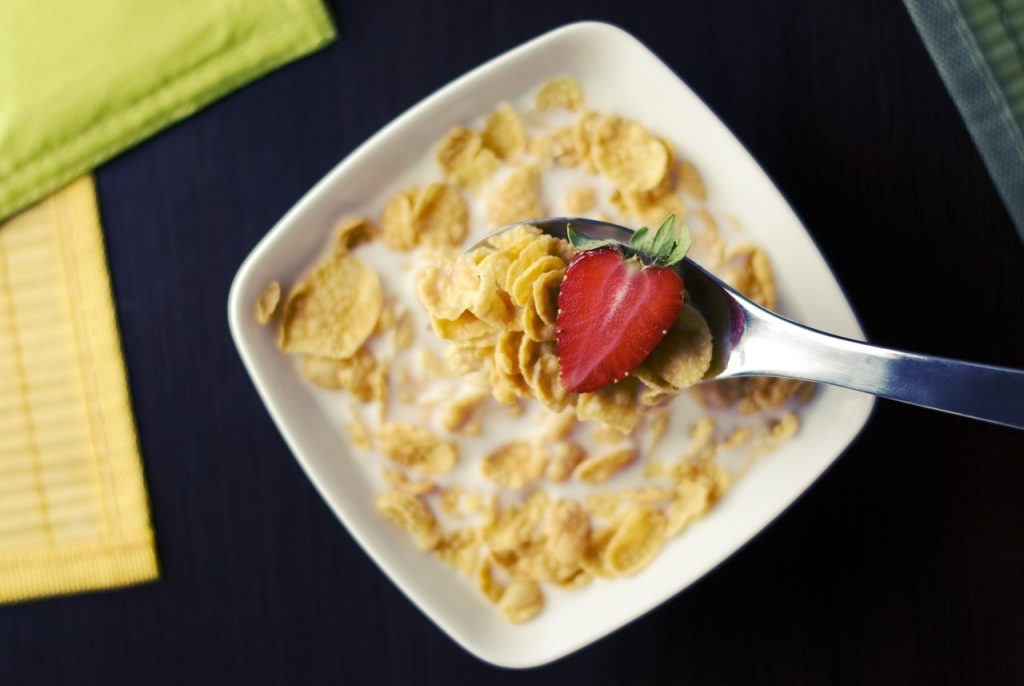
1. Meat Photography: Highlighting Juicy, Savoury Perfection
- Lightning: While capturing grilled or roasted meat, use side lighting to emphasize the texture.
- Detail Oriented: Focus on the details of the dish like capturing the sear marks, dripping sauces, or caramelized edges.
- Props: Use rustic tools while capturing, like a wooden board, butcher paper, or cast iron skillet.
- Angles: To show the full cut, emphasize texture, and capture at a 45-degree angle.
- Color Balance: Use a warm tone to emphasize the richness of the meat.
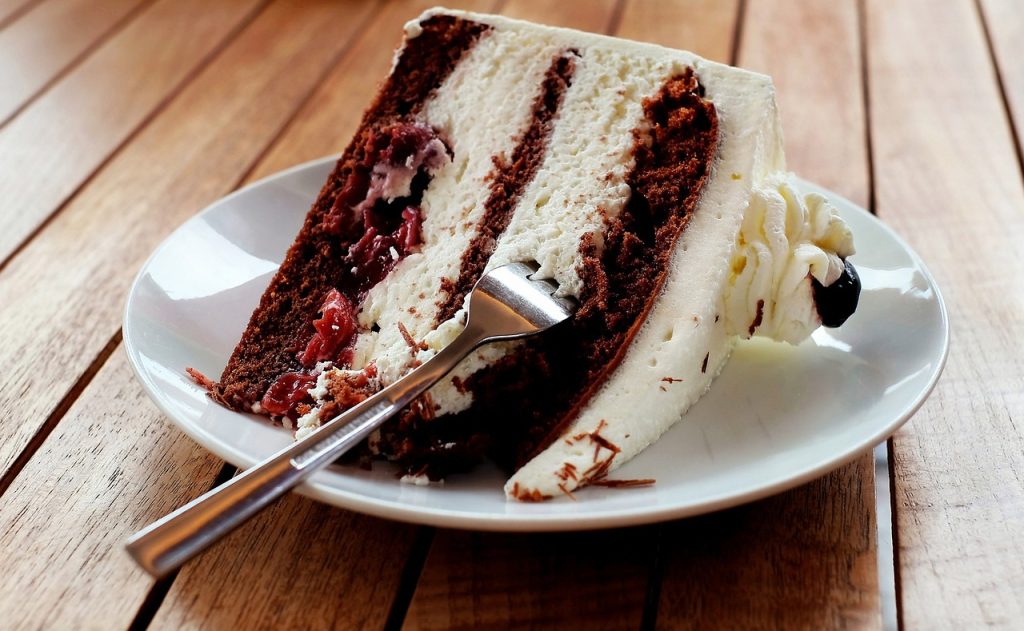
2. Cake Photography: Capturing Layers of Sweetness
- Lighting: Use soft and natural light to highlight the softness of the cake and the fluffiness of the frosting.
- Composition: To highlight the key ingredient, use a triangular slice.
- Styling: Fosuc of crockery to add a minimalistic effect. Also, use a fork and knife for elegance.
- Angles: Focus on side shoots for layered cake and overhead shoots for flat cake.
- Textures: Highlight frosting swirls, crumbs, or glazes for added appeal.
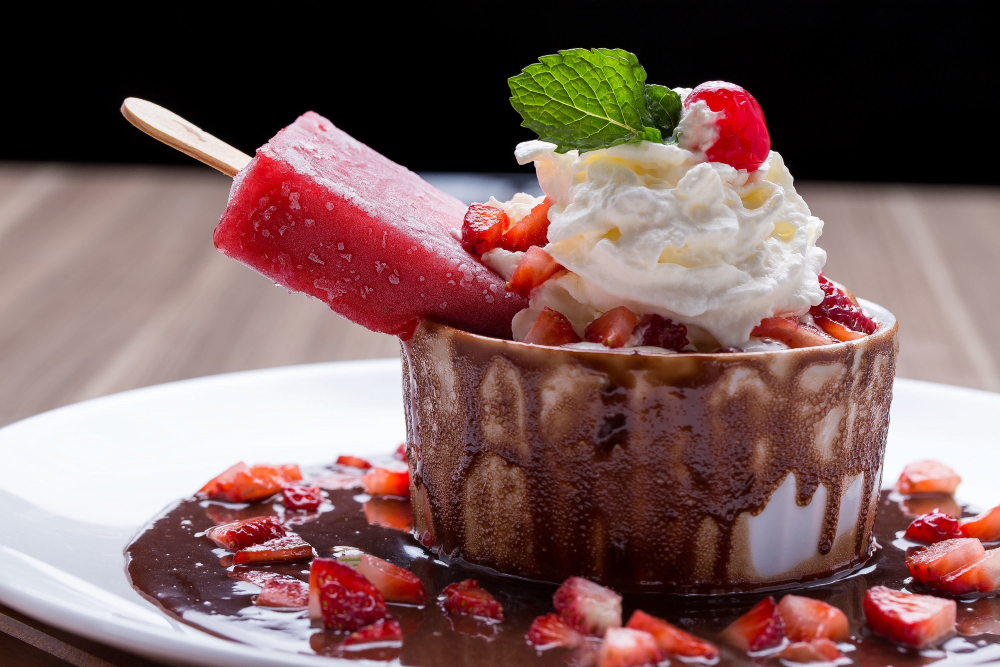
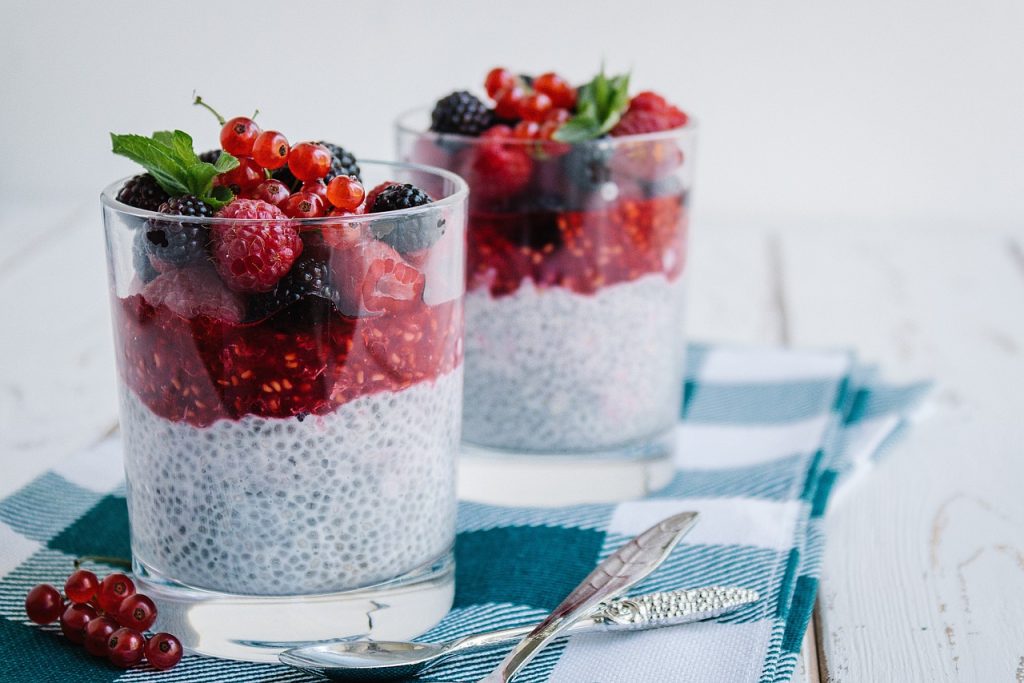
3. Dessert Photography: Making Sweets Look Irresistible
- Focus Points: Zoom in on intricate details like powdered sugar, chocolate drizzles, or fruit garnishes.
- Lighting: Use backlighting to create a glow on translucent desserts like jelly or mousse.
- Props: Add complementary elements like a scoop of ice cream, a spoon, or small bowls.
- Composition: Experiment with symmetry or scattered elements for a playful vibe.
- Angles: Overhead shots work well for plated desserts; close-ups highlight details.
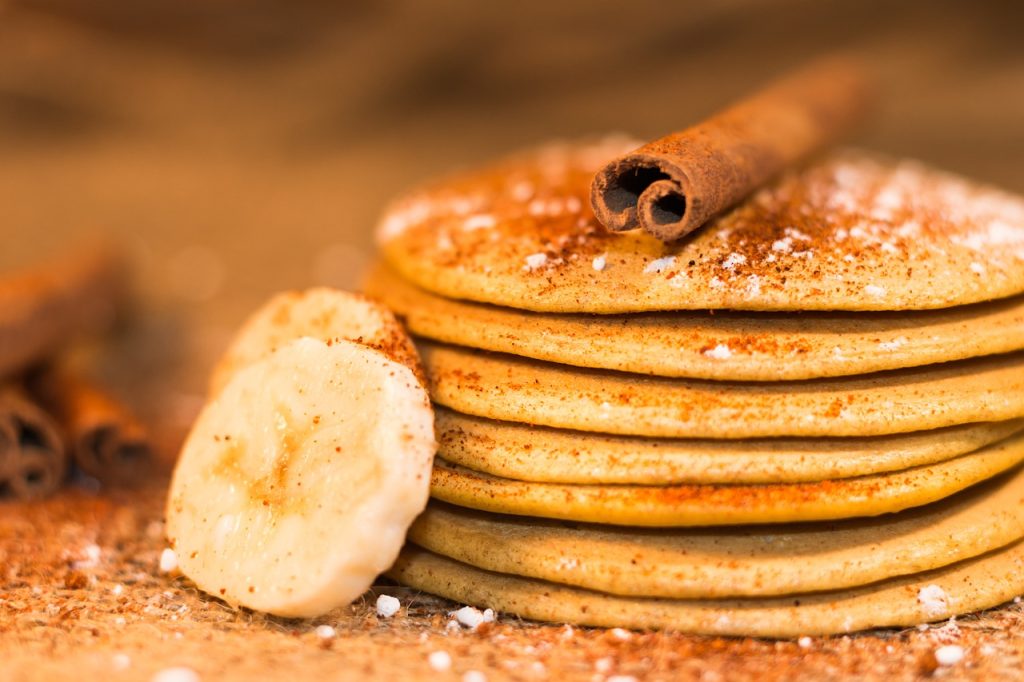
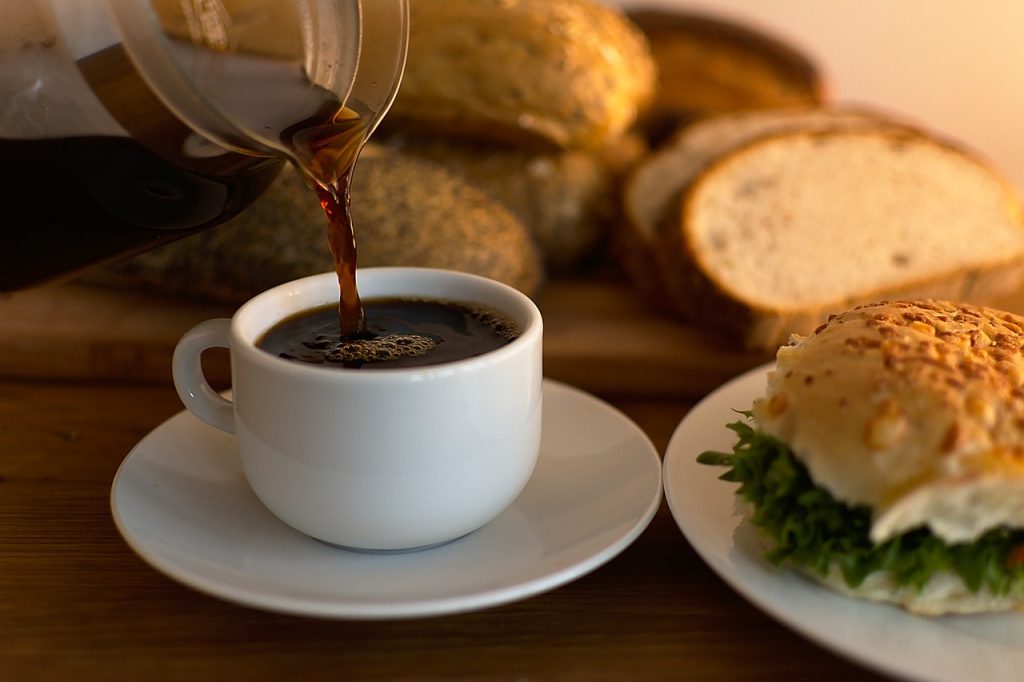
4. Breakfast Photography: Capturing the Fresh Start of the Day
- Lighting: Use soft morning light to create an authentic breakfast vibe.
- Storytelling: Include elements like steaming coffee, napkins, or fresh juice for a cozy setup.
- Colors: Bright, vibrant tones to reflect freshness (e.g., golden eggs, colorful fruits).
- Props: Rustic plates, woven placemats, and wooden spoons add a homely touch.
- Angles: A mix of flat lays and side shots to highlight stacks of pancakes or poached eggs.
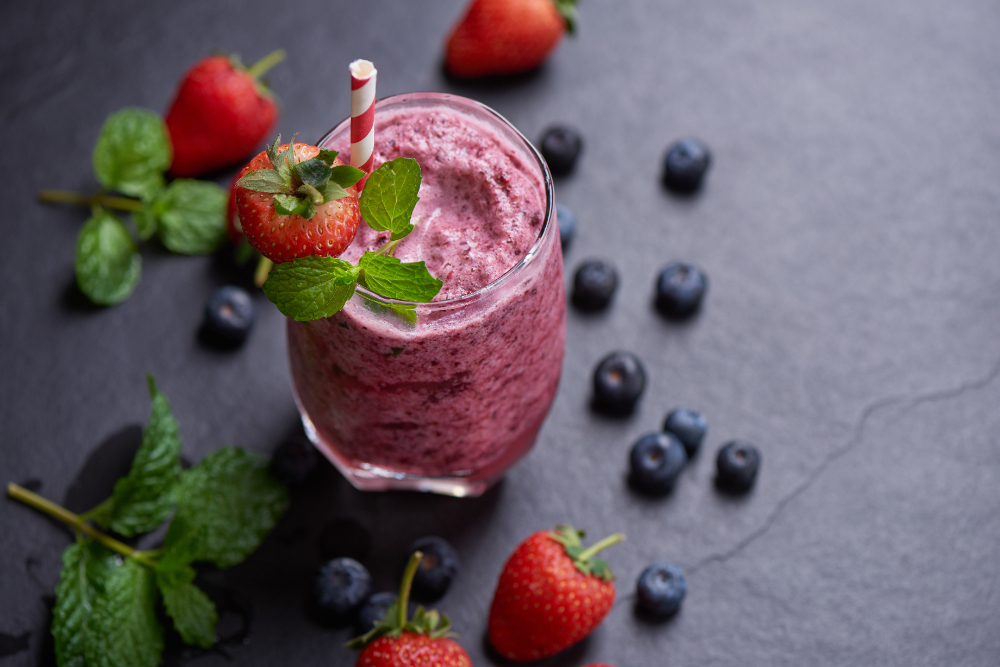
5. Drink Photography: Capturing the Perfect Sip
- Lighting: Use backlighting to highlight the transparency or froth of the drink.
- Focus Points: Condensation on a cold drink or the frothy top of a latte adds interest.
- Props: Include garnishes like lemon slices, mint leaves, or straws to enhance the look.
- Angles: Side views to show layers or overhead for creative garnishing.
- Backgrounds: Dark backgrounds work well for cocktails; bright ones suit juices or smoothies.
Pro Tips for Food Photography Success
- Use Natural Light: It’s your best friend for creating authentic, vibrant photos.
- Shoot Quickly: Some foods, like ice cream or frothy drinks, melt or settle fast.
- Edit Thoughtfully: Keep edits subtle to maintain a natural look.
- Experiment: Try different angles, props, and lighting setups for variety.
- Tell a Story: Add context to your dishes by including ingredients or utensils.
Follow for More Inspiration
Follow Gems and Jewels on all social media for more recipes, nail art tips, and home decor ideas.